Aluminum Castings Company LLC – QMS Certified to ISO 9001:2015 & PED 2014 with TUV Rheinland of North America
Aluminum casting machining is the process of machining cast aluminum components to achieve precise dimensions, tolerances, and functional features. Aluminum Castings Company provides professional aluminum casting machining services designed to transform raw castings into production-ready components. Our machining operations are fully integrated with casting, cleaning, grinding, and heat treatment to support consistent quality and repeatable results.
Machining aluminum castings requires a deep understanding of casting behavior, alloy characteristics, and dimensional control. This integration allows us to deliver components that meet performance and assembly requirements across demanding industrial applications.
The primary purpose of machining aluminum castings is to achieve final dimensions, tolerances, and surface finishes that cannot be produced by casting alone. Machining adds functional features such as bores, mounting surfaces, threads, and precision interfaces. Controlled machining ensures each component meets design intent and performance requirements.
Machining typically follows cleaning, grinding, and heat treatment operations. Performing machining at the correct stage improves dimensional stability and reduces variation. This sequencing supports predictable production outcomes and efficient manufacturing flow.
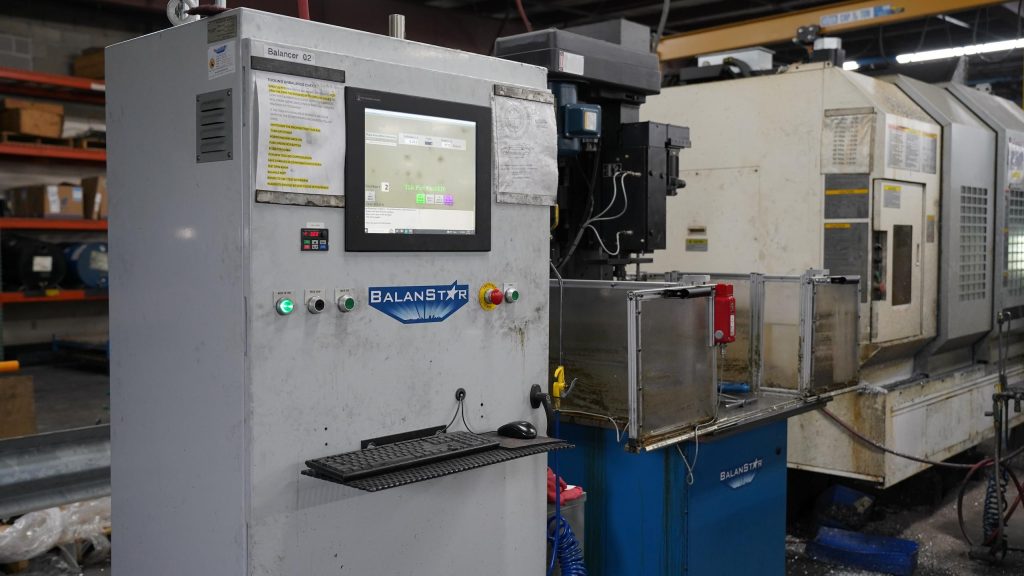
Machining aluminum castings requires specialized equipment, tooling, and process control. Aluminum Castings Company applies disciplined machining practices based on part geometry, alloy type, and tolerance requirements. Each component is evaluated to determine the most effective machining strategy.
Machining operations include milling, drilling, boring, tapping, and contouring to achieve tight tolerances and complex features. Proper fixturing and tool selection are critical for maintaining accuracy and repeatability. These operations ensure machined castings meet functional and assembly requirements.
Aluminum castings often include irregular shapes, variable wall thickness, and internal features. Machining strategies are developed to accommodate these characteristics without inducing distortion. This approach supports consistent results across complex components.
Machining provides functional and performance benefits that extend beyond raw casting geometry. When executed correctly, it improves consistency, reliability, and downstream integration.
Machining allows precise control over critical dimensions and tolerances. This ensures castings fit properly within assemblies and mating components. Accurate machining reduces variation and improves overall system performance.
Machined surfaces provide consistent interfaces for bolting, sealing, and alignment. This improves ease of assembly and reduces the risk of leaks or misalignment. Proper machining supports reliable product integration.
Consistent machining reduces the need for corrective operations later in production. By delivering components that meet specifications the first time, manufacturers minimize rework and scrap. This supports stable production schedules and cost control.
Different aluminum alloys behave differently during machining due to variations in hardness, strength, and chip formation. Our machining approach accounts for these differences to ensure optimal results.
Alloys such as 319, 355, 356, 535, and Almag 35 each require specific cutting parameters and tooling strategies. Machining processes are adjusted to match alloy behavior and performance requirements. This ensures consistent surface finish and dimensional control.
While machining removes material, it must not compromise load-bearing features or casting strength. Controlled machining preserves structural integrity while achieving required tolerances. This balance is essential for performance-critical components.
Machined aluminum castings are essential across industries that require precision, reliability, and repeatable performance. Our aluminum casting machining services support components used in demanding environments.
OEMs rely on machined castings to meet exact fit and functional requirements. Accurate machining supports efficient assembly and reliable system performance.
Industries with strict quality and compliance standards depend on precise machining. Controlled machining supports inspection accuracy and long-term durability.
Industries served include:
Quality assurance extends through the machining process to ensure every component meets defined specifications. Machining operations are monitored and verified as part of the overall quality system.
Machined castings are inspected using precision measurement tools to verify tolerances and geometry. This ensures components meet design requirements before moving forward.
Machining parameters, inspection results, and corrective actions are documented to support repeatability and traceability. This documentation supports continuous improvement and customer requirements.
Manufacturers partner with Aluminum Castings Company because machining is treated as an integrated, production-critical operation. Our approach supports consistent quality and downstream success.
Machining is coordinated with casting, heat treatment, cleaning, and finishing operations. This integration reduces variability and improves production stability.
Our machining processes are designed to support long-term component performance and manufacturing reliability. This ensures machined aluminum castings meet real-world operating demands.
If you are seeking dependable aluminum casting machining services as part of a controlled aluminum casting process, Aluminum Castings Company delivers disciplined machining operations supported by proven quality systems. Contact our team today to discuss your requirements or request a quote.
Your engineered aluminum casting solution starts here.
Call: 309-343-8910 | Email: sales@aluminumcastingscorp.com
Aluminum Castings Company LLC – QMS Certified to ISO 9001:2015 & PED 2014 with TUV Rheinland of North America